
Warmer floors in winter
Insulation under the floor stops cold air rising through gaps and unsealed floorboards, so the floor surface stays closer to room temperature and your feet stay warm.
Hallam
Underfloor insulation in Hallam stops cold air rising through timber floors and gaping floorboards, making your home warmer in winter and reducing heating costs.
Share your details and Expert Insulation Melbourne will contact you about Underfloor Insulation in Hallam.
Hallam homes with suspended timber floors often suffer from cold floors and draughts rising through the subfloor. Underfloor insulation is fitted between the floor joists from the crawl space below, blocking air movement and adding thermal resistance. It is a practical upgrade for older brick and weatherboard houses common in this area, where the subfloor is accessible and the floor height allows installation.
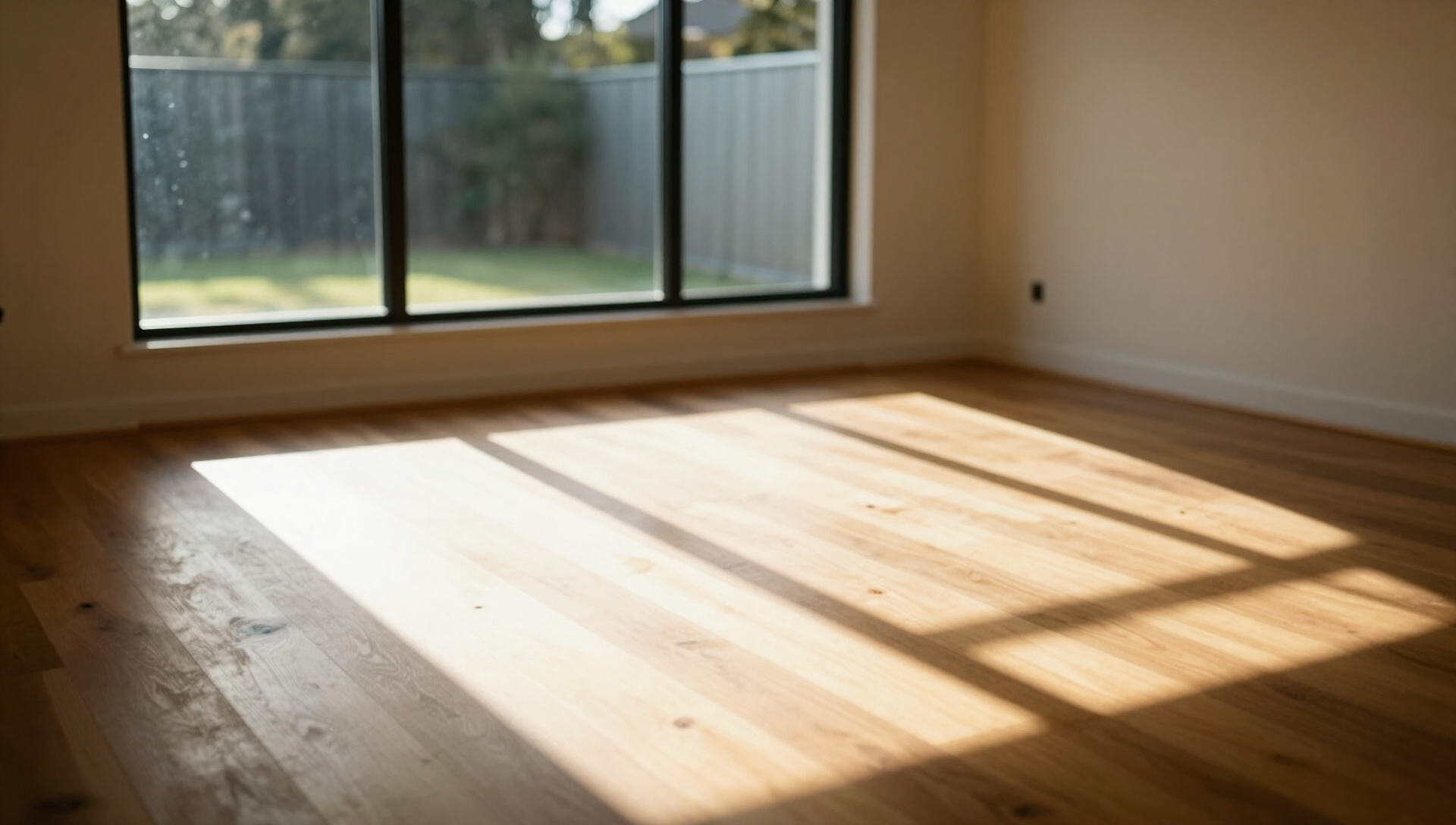
Hallam’s cold winters and hot summers make temperature control a constant challenge. Underfloor insulation addresses the specific issues of suspended timber floors, delivering measurable comfort and efficiency gains.
Insulation under the floor stops cold air rising through gaps and unsealed floorboards, so the floor surface stays closer to room temperature and your feet stay warm.
By cutting heat loss through the floor, your heater runs less often to maintain the same temperature, lowering energy bills over winter.
Sealing the subfloor with insulation and vapour barrier reduces draughts and dust entering the home from under the house.
Even heat distribution means no cold spots near external walls or at floor level, making living areas more comfortable year round.
A vapour barrier under the batts helps manage moisture from the ground, protecting timber joists and floorboards from damp and rot.
Bulk insulation does not sag or compress over time when installed correctly, maintaining its R-value and effectiveness for the life of the home.
Installing underfloor insulation requires access to the subfloor, which is typically through a manhole or by lifting sections of floorboard. The process is straightforward but must be done carefully to avoid gaps and ensure full coverage.
We check the subfloor for adequate access, clear any stored items and ensure the area is dry. If old insulation is present and may contain asbestos, work stops until a qualified assessor inspects it.
Batts are measured to fit snugly between the floor joists without compression. Glasswool, polyester or rockwool are common choices, with R-values typically between R1.5 and R2.5 for underfloor applications.
A vapour barrier is laid first to block moisture rising from the ground. Batts are then friction-fitted between the joists, ensuring no gaps or voids that would allow air movement.
All gaps around pipes and cables are sealed with appropriate materials. The subfloor is left clean, and access points are secured. The job usually takes half a day to a full day depending on the floor area and access.
Hallam has a mix of older brick and weatherboard homes, many with suspended timber floors that benefit from underfloor insulation. The suburb’s cold winters and proximity to open areas mean homes here can lose significant heat through uninsulated floors. Installing batts under the floor is a cost-effective way to improve comfort and reduce energy use without major renovations.
Stop cold floors and draughts with underfloor insulation installed under suspended timber floors in Hallam.
Homeowners in Hallam often ask about the practicalities of underfloor insulation, from access and cost factors to product choices and expected outcomes.
Underfloor insulation in Hallam addresses the common problem of cold floors and draughts in homes with suspended timber floors. By installing bulk insulation batts between the floor joists in the subfloor, you block air movement and add thermal resistance that keeps the floor surface warmer in winter. This is particularly effective in Hallam’s older brick and weatherboard houses, where the subfloor is often accessible and the floor height allows for standard batts to be fitted.
The process involves accessing the subfloor through a manhole or by lifting floorboards, then laying a vapour barrier followed by friction-fitted batts. Glasswool, polyester and rockwool are all suitable materials, with typical R-values ranging from R1.5 to R2.5 for underfloor applications. The job usually takes half a day to a full day depending on the size of the home and ease of access. Costs are influenced by the floor area, joist spacing, existing insulation and the chosen R-value.
Signs your Hallam home needs underfloor insulation include cold floors in winter, noticeable draughts rising through floorboards and higher than expected heating bills. Insulation also helps reduce dust and moisture entering from the subfloor, improving indoor air quality. For homes with limited crawl space or very low floor clearance, alternative solutions may be required, which can be assessed during an on-site inspection.
Call Expert Insulation Melbourne on 0399695249 or email info@expertinsulationmelbourne. com. au to arrange a quote for underfloor insulation in Hallam.